Hoi An at Night from Da Nang: Lanterns, Food & an Easy Evening Plan
Quick answer: Leave Da Nang in the afternoon, explore Hoi An’s Ancient Town before sunset, eat an early dinner, then walk the lantern-lit Hoai River after dark. The riverfront is beautiful but busy; the best visit combines daylight heritage streets with the evening atmosphere instead of arriving only for the lantern boats.
I visited Hoi An from a Da Nang beach resort during a December trip. This guide focuses on the part that made the outing worthwhile for me: seeing the town change from late afternoon into night, eating local dishes, and leaving enough flexibility for crowds and weather.
Hoi An evening itinerary at a glance
- 3:00–4:00 p.m.: travel from Da Nang and arrive before the evening rush.
- 4:00–5:30 p.m.: walk the Ancient Town and visit your chosen heritage sites.
- 5:30–7:00 p.m.: eat before peak dinner time.
- 7:00–8:30 p.m.: explore the Hoai River, lantern streets and night market area.
- After 8:30 p.m.: return to Da Nang or stay for a quieter late evening.
These are suggested windows, not fixed opening hours. Recheck live traffic, attraction access and the return arrangement on the day.
Before leaving Da Nang: make four decisions
- Choose the return method: hotel shuttle, prearranged driver or a new Grab booking.
- Set a latest departure time: particularly important if you have children, an early flight or a resort far north of Hoi An.
- Check the rain forecast: the riverfront is much less enjoyable when you are trying to protect a phone and bags in heavy rain.
- Save your pickup point: pedestrian restrictions mean the car may not collect you from the exact spot where it dropped you.
Bring enough phone battery for maps and the return ride. Hoi An is walkable once you arrive, so a compact crossbody bag and comfortable shoes are more useful than carrying a full daypack.
Arrive before sunset
Hoi An is more than its nighttime lanterns. In daylight, it is easier to notice the yellow facades, assembly halls, old houses and small details along the streets. Arriving early also gives you time to buy the official sightseeing ticket and choose sites deliberately rather than rushing between them.
The Hoi An Center for Cultural Heritage Conservation currently lists the ticket for international visitors at VND 120,000. Its 2024 visitor information says the ticket covers the general Ancient Town landscape, the Japanese Covered Bridge or Quan Cong Temple, a museum, and three selected cultural heritage sites. Buy from an official booth and keep the stub because arrangements can change.
How the Ancient Town ticket works
The official ticket is not simply a fee for photographing the streets. The current visitor information describes a package that supports conservation and includes entry to selected heritage buildings and cultural activities. Decide which sites matter before the booths or individual attractions begin closing.
| If you like | Prioritize |
|---|---|
| Architecture | An old house and an assembly hall |
| History | A museum plus the Japanese Covered Bridge or Quan Cong Temple |
| Photography | Exterior streets before sunset, then one quieter interior courtyard |
| Performing arts | Check the day’s official performance schedule before choosing sites |
Keep the ticket until you leave. If an unofficial seller approaches you away from a booth, walk to an official counter instead of buying under pressure.
What to eat in Hoi An
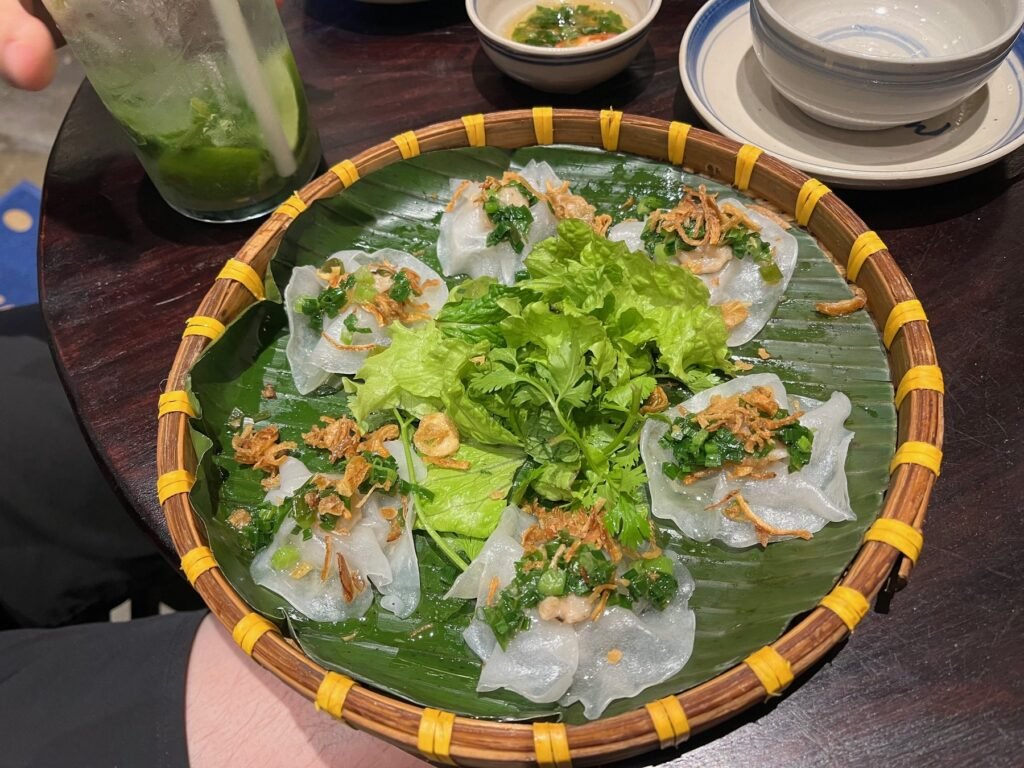
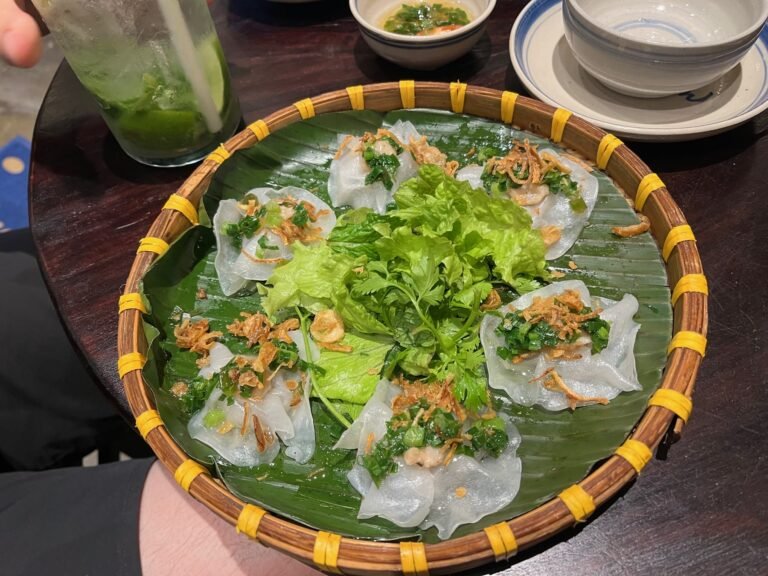
White rose dumplings are a useful first choice for a short visit because they are closely associated with Hoi An and work well as a shared starter. Other dishes to look for include cao lau, chicken rice and local wontons. I would pick two specialties at one restaurant rather than spend the evening crossing town between famous names.
For photos, ordering tips and a closer look at cao lầu and White Rose dumplings, see my guide to what to eat in Hoi An.
Eating around 5:30 or 6:00 p.m. makes the rest of the night easier. You can return to the river as the lights come on without joining the longest dinner queues.
A simple dinner strategy
For a short visit, choose a restaurant based on the dishes and location rather than trying to reach the most famous name online. White rose dumplings make a good shared starter; add one filling dish such as cao lau or chicken rice and you have sampled several Hoi An flavors without losing the evening to restaurant hopping.
- Check the menu and total price before sitting down.
- Ask whether cash or cards are accepted before ordering.
- Eat a little earlier if you want a riverfront table without the peak queue.
- Leave room for a snack only if you genuinely want one; the night market is more enjoyable without treating every stall as a must-do.
Lantern boats: beautiful, busy and optional
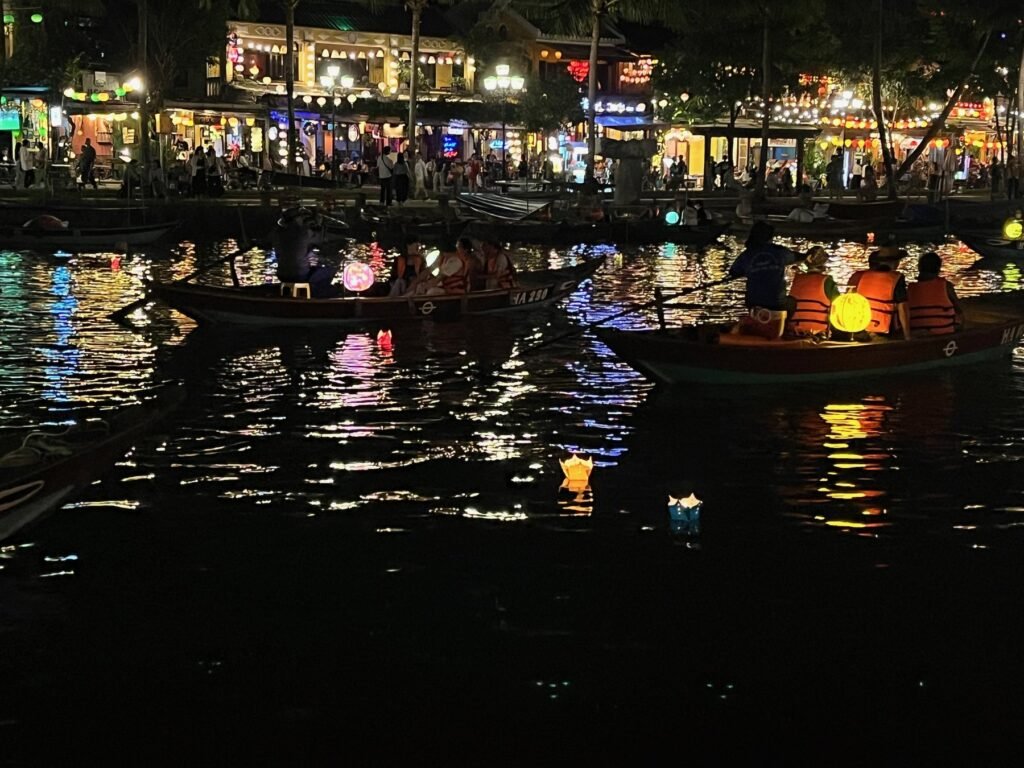
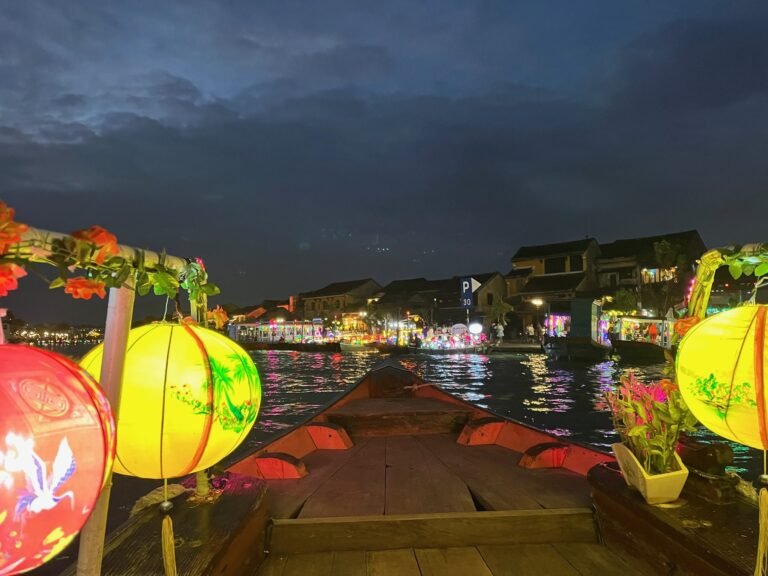
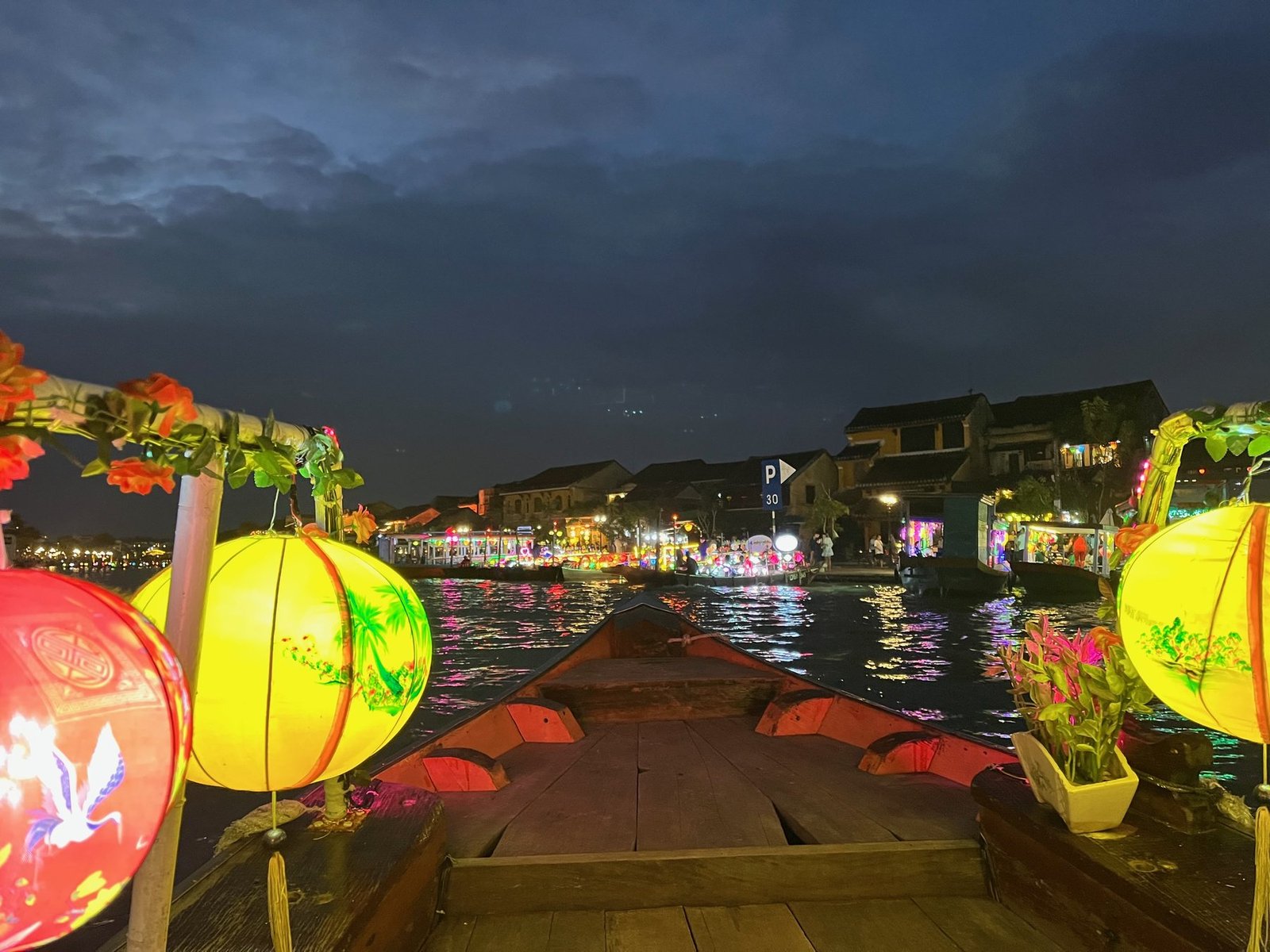
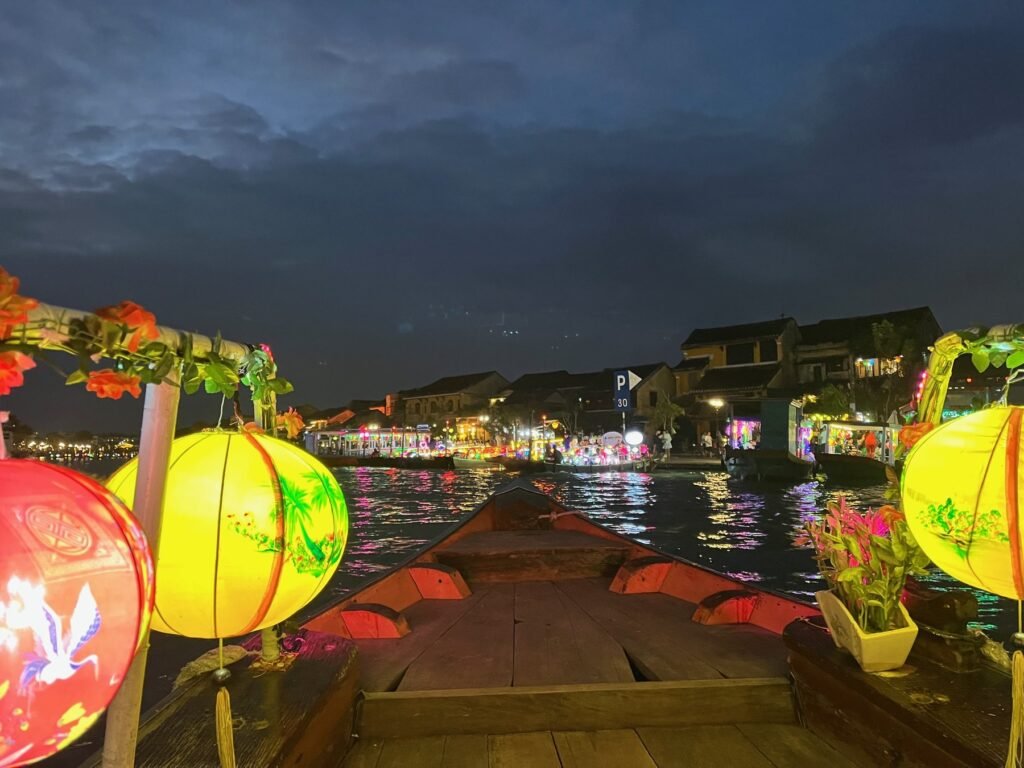
The glowing boats are the visual centerpiece of Hoi An at night. From the riverbank, the lights and reflections are atmospheric; close to the boarding areas, it can feel crowded and transactional. A boat ride is worth considering if being on the water matters to you, but you do not need one to enjoy the view or photograph the lanterns.
- Agree on the total price and ride duration before boarding.
- Keep phones and cameras secured near the water.
- Do not block the narrow riverfront while taking photos.
- If the main boarding point feels hectic, walk farther along the river before deciding.
Where to take photos without centering strangers
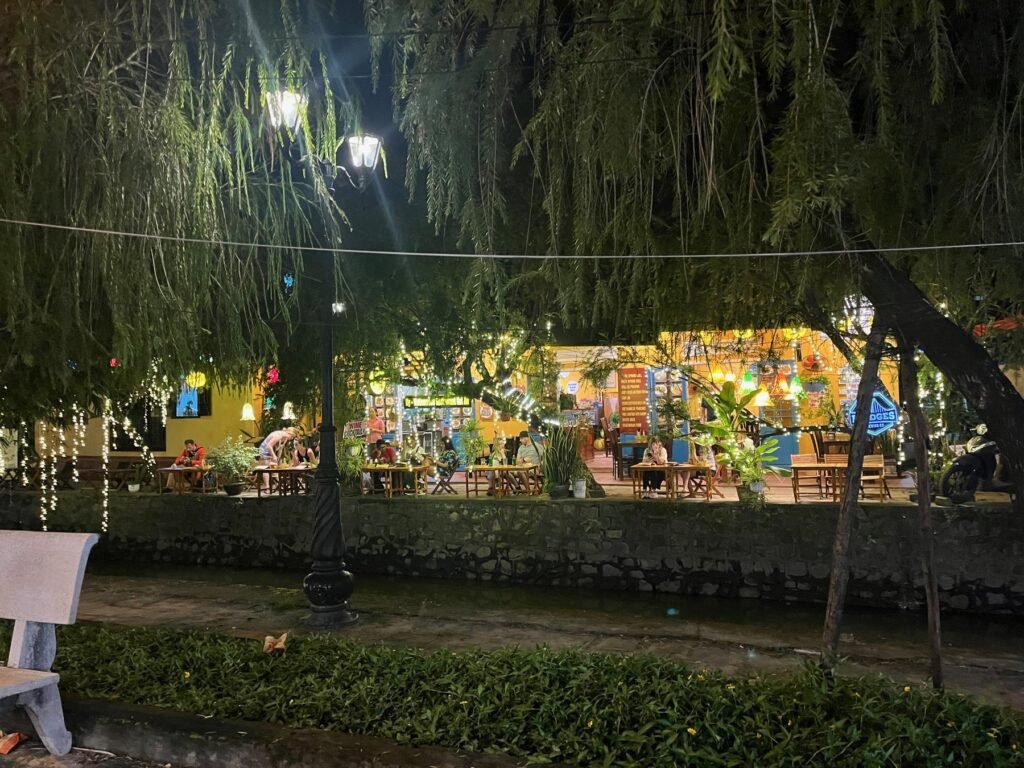
The main bridge and boat boarding area fill quickly after dark. I found the wider river views more attractive than tight crowd shots. Walk several minutes away from the busiest point, use the reflections as the subject and wait for a gap rather than photographing directly into a queue.
- Before sunset: yellow facades, balconies, bicycles and side streets.
- Blue hour: riverfront buildings before the sky becomes fully black.
- After dark: lantern reflections and wider boat scenes from the bank.
- Food: photograph the dish at your own table rather than other diners or staff.
A phone night mode can brighten the scene too aggressively. Tap the lanterns and lower exposure slightly to retain their colors.
How to get from Da Nang to Hoi An
The official heritage site places Hoi An roughly 30 km south of Da Nang. A car or ride-hailing service is the simplest option for most independent travelers. Some resorts also operate scheduled paid shuttles; I used Hyatt Regency Danang as my base, and the property’s current transport information should be checked directly before relying on a shuttle.
- Private car or Grab: most flexible for an evening visit; arrange the return before your phone battery gets low.
- Hotel shuttle: potentially convenient but less flexible; confirm the last return time.
- Stay overnight: best if you want quiet morning streets, tailoring appointments or more than one evening.
For help choosing a base, compare the Da Nang resort strip, My Khe and Hoi An. You can also place this outing inside my 3-day Da Nang and Hoi An itinerary.
What to do if it rains
Light rain can make the streets reflective and atmospheric, but heavy rain changes the outing. Prioritize a heritage interior, a café and dinner, and skip the boat if visibility or boarding feels uncomfortable. Keep the return flexible because pickup areas may become congested.
Footwear with grip matters more than an elaborate outfit on wet stone streets. A compact rain layer also leaves both hands free for navigation and payments.
Is Hoi An at night worth it?
Yes, especially on a first visit—but the strongest version is not a quick after-dark photo stop. Arrive before sunset, see a few heritage sites, eat a local specialty and then enjoy the river lights. That sequence gives the evening context and makes the transfer from Da Nang feel worthwhile.
Hoi An night FAQ
What time should I arrive in Hoi An?
A mid-afternoon arrival works well for a half-day visit. You get daylight for the old streets and can stay through the first few hours after dark.
Do I need a ticket just to walk around?
Hoi An’s official visitor information asks visitors to purchase the Ancient Town sightseeing ticket, which supports heritage conservation and includes access to selected sites. Check the current rules at an official booth.
Should I stay overnight in Hoi An?
Stay overnight if you want early-morning streets, multiple dinners or tailoring. For a three-night Central Vietnam trip, one afternoon-and-evening visit from Da Nang is a practical compromise.