

What to Eat in Jeju: 10 Foods to Try on Your First Trip
Quick answer: If you are planning what to eat in Jeju, start with heukdwaeji (Jeju black pork), a bowl of gogi-guksu (pork noodle soup), fresh seafood or abalone, and Jeju citrus. Then add one market stop for snacks rather than trying to fit every famous dish into one meal.
Jeju food is shaped by the island’s volcanic landscape, fishing villages, haenyeo culture, and a long tradition of making a little meat or seafood go a long way. The easiest way to plan meals is by where you are staying: Jeju City is convenient for black pork and Dongmun Market, Seogwipo works well for Olle Market and seafood, and the east-coast villages are better for a slower coastal lunch.
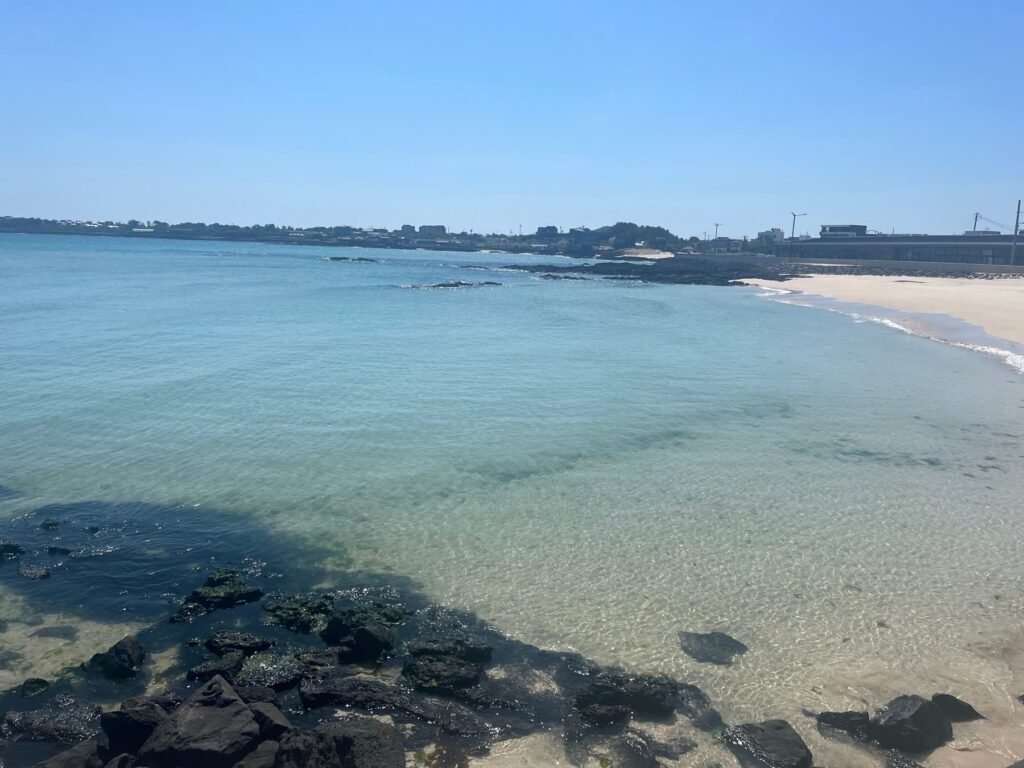
What to eat in Jeju at a glance
| Food | What it tastes like | Best for | Where to look |
|---|---|---|---|
| Heukdwaeji | Rich grilled pork with a smoky finish | First-time visitors and groups | Jeju City Black Pork Street or local barbecue restaurants |
| Gogi-guksu | Light pork broth with noodles | A quick, filling meal | Jeju City and traditional noodle shops |
| Abalone porridge | Mild, savory, and gently oceanic | A lighter breakfast | Coastal seafood restaurants and haenyeo houses |
| Galchi or grilled fish | Clean, salty, and naturally rich | Seafood lovers | Coastal restaurants and traditional markets |
| Jeju citrus | Bright, sweet, and fragrant | A snack or edible souvenir | Markets, farm stands, and cafes |
1. Heukdwaeji: Jeju black pork
Heukdwaeji is Jeju’s most recognizable food. It is usually grilled at the table in thick cuts such as moksal (pork neck), ogyeopsal (skin-on pork belly), or samgyeopsal. The classic local pairing is meljeot, a salty fermented anchovy dipping sauce that cuts through the richness of the pork.
For a first visit, I would order one shared set rather than several different cuts. You can always add more after seeing the portion, and grilling a large amount at once makes it harder to control the heat. Ask the staff which cut is best that day and whether the restaurant grills the meat for you.
Jeju City’s Black Pork Street is the most obvious area to compare restaurants, but a busy tourist street is not the only place to eat good black pork. Look for a restaurant with a clear menu, steady local traffic, and a practical seating setup. Visit Jeju’s official food guide also notes that black pork is commonly enjoyed with meljeot and grilled vegetables such as gosari.
2. Gogi-guksu: pork noodle soup
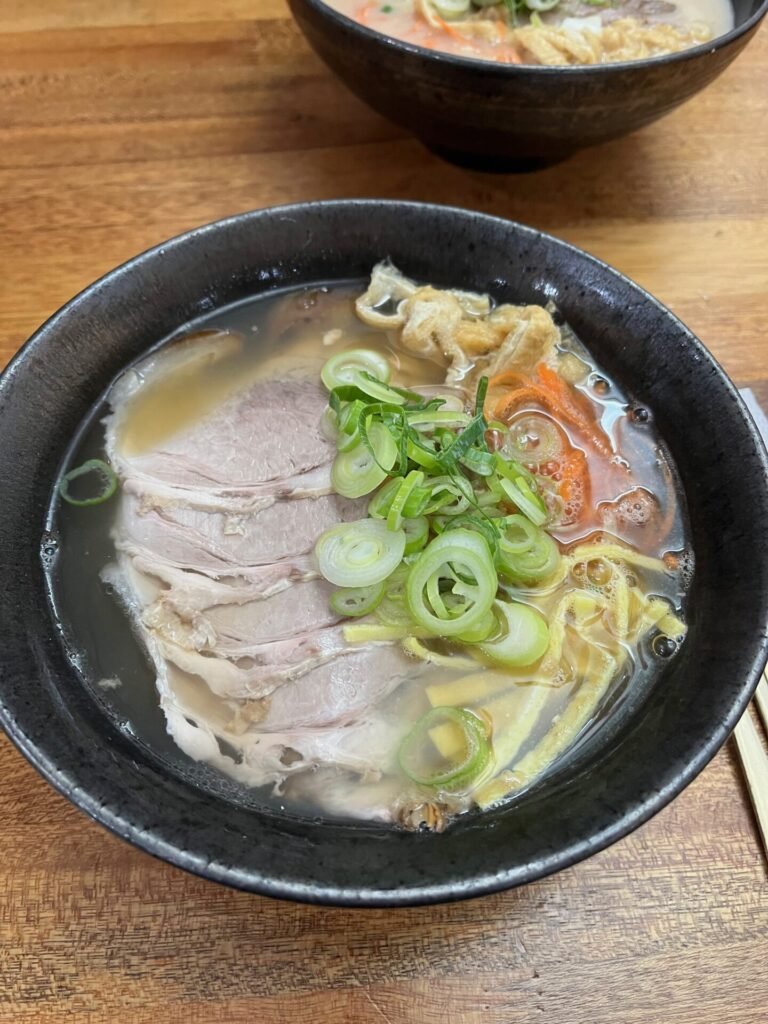
Gogi-guksu is one of the most useful Jeju meals for travelers. The bowl is simple: noodles, slices of pork, and a light broth that is filling without feeling like a full barbecue meal. It is a good choice after a flight, before a long drive, or when someone in your group wants something less rich than black pork.
Because noodle shops can sell out or change their hours, use the Korean name 고기국수 when searching Naver Map or KakaoMap. If you do not eat pork, check the broth before ordering; the soup is not automatically vegetarian just because it looks clear.
3. Dombe gogi: pork served on a wooden board
Dombe gogi is boiled pork sliced and served on a wooden board. It is related to the mainland dish suyuk, but the Jeju presentation and local seasoning give it a distinct identity. The texture is softer and less smoky than grilled black pork, so it is worth ordering when you want to understand another side of Jeju’s pork culture.
Look for it as a sharing dish or part of a set meal. It is especially practical for a group that wants to try several foods at once. The dish can arrive with dipping sauces, greens, or local side dishes, so ask what is included before ordering extra portions.
4. Abalone porridge and haenyeo seafood
Jeonbok-juk, or abalone porridge, is a classic coastal breakfast. It is gently seasoned and much milder than grilled seafood, which makes it a good option when you want something warm before sightseeing. Jeju’s official tourism guide connects abalone with the island’s haenyeo, the women sea divers who traditionally harvest seafood along the coast.
At a coastal restaurant or haenyeo house, you may also see abalone, sea urchin, seaweed soup, or a mixed seafood plate. Ask what is actually fresh that day rather than ordering a dish only because it appears in a photo. If you have a shellfish allergy, explain it clearly in Korean before ordering.
5. Grilled hairtail and other local fish
Galchi (hairtail) is one of Jeju’s most memorable fish dishes. It is often grilled or served in a spicy stew, and the long, delicate bones mean you need to eat carefully. Mackerel and other local fish are also common choices at markets and traditional restaurants.
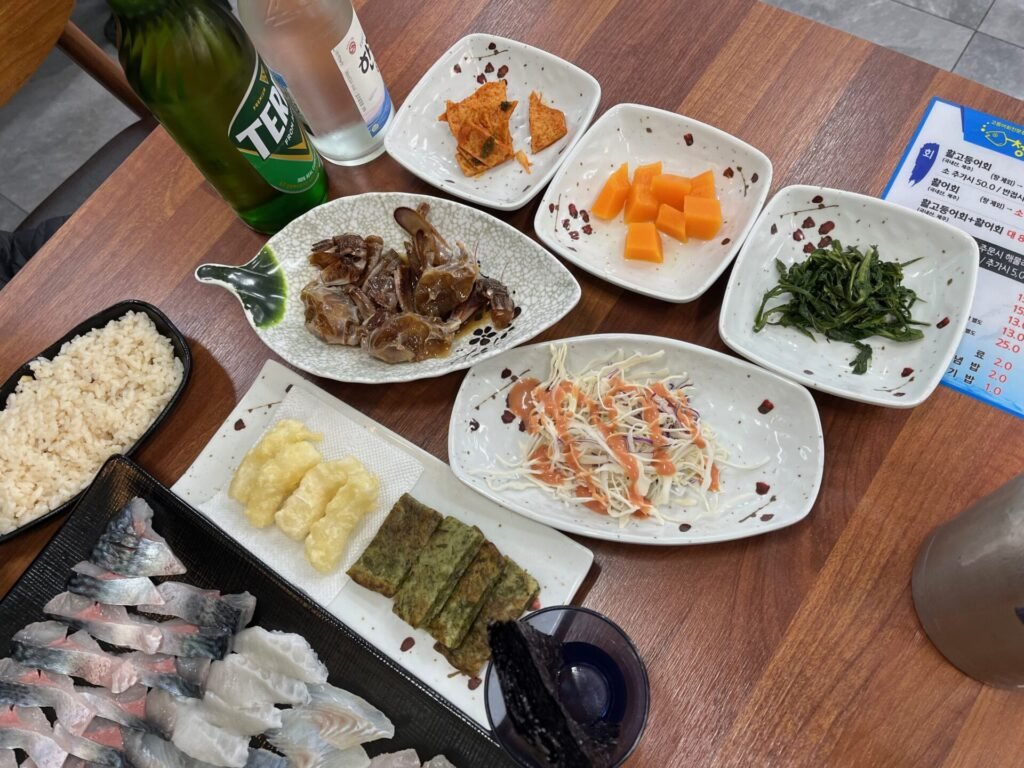
For travelers who are nervous about bones, choose a restaurant that serves filleted portions or ask staff to show you the easiest option. A whole grilled fish can be good for a group, but it is less convenient if you are eating alone or moving between attractions.
6. Sea urchin seaweed soup
Seongge miyeokguk combines sea urchin with seaweed soup. The flavor is briny and delicate rather than aggressively fishy, but the taste can vary depending on how much sea urchin is used. It is a useful dish to share if you want to try something distinctly coastal without ordering a large raw seafood platter.
Ask whether the sea urchin is fresh or frozen and whether the soup contains other seafood. That small question makes it easier to choose a dish that matches your preferences.
7. Buckwheat noodles and Jeju-style light meals
Jeju grows buckwheat, so noodles made with buckwheat appear in several local dishes. Depending on the restaurant, you may find cold buckwheat noodles, warm noodles in a clear broth, or the more unusual kkwong memil guksu, buckwheat noodles served with pheasant broth.
These dishes are useful on a hot day or after several heavy meals. Cold noodles can be tangy and refreshing, while a warm broth is easier when the weather turns windy. If you are sensitive to buckwheat, check the ingredients before ordering.
8. Jeju tangerines and Hallabong
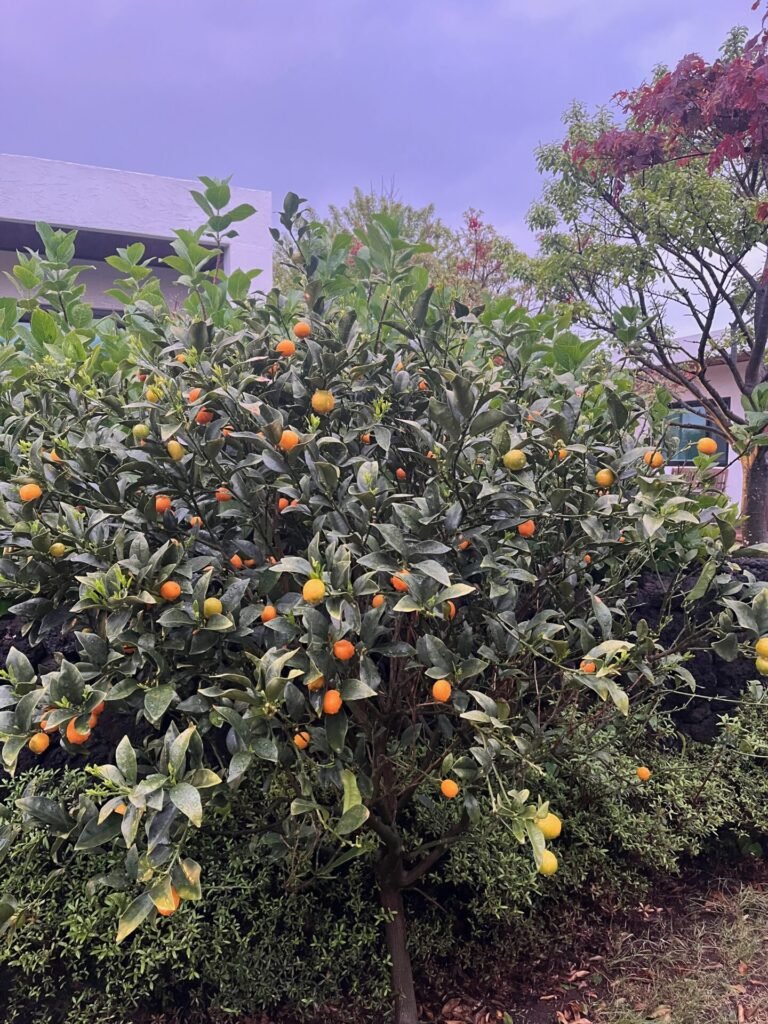
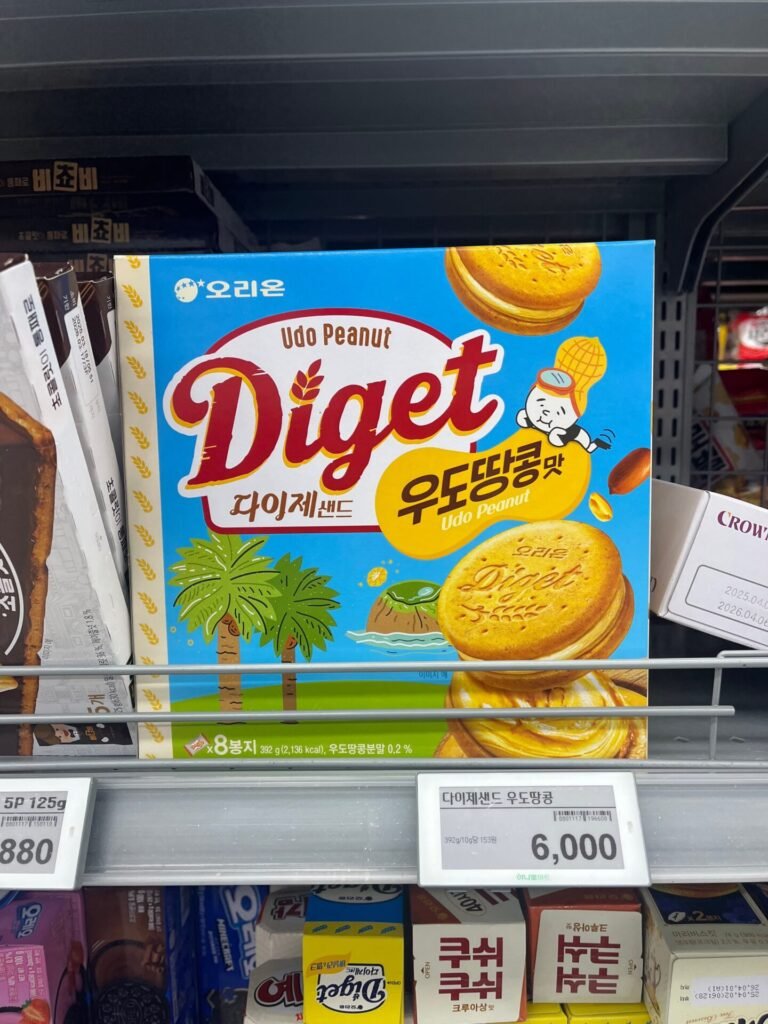
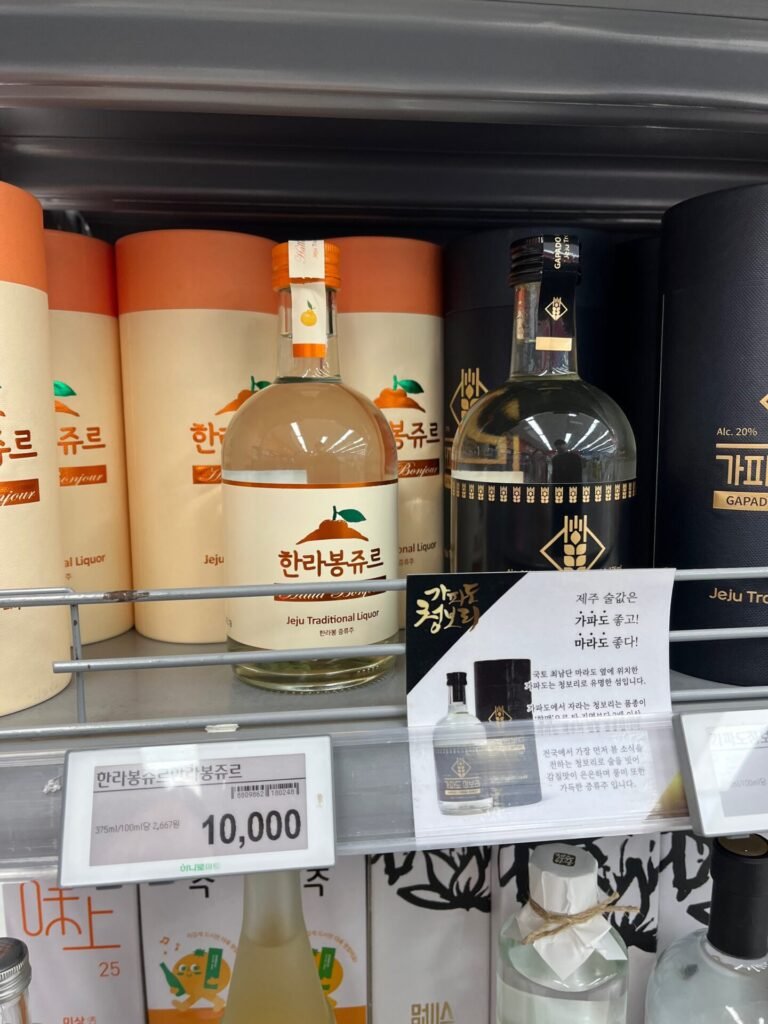
Do not leave Jeju without trying the island’s citrus. Ordinary Jeju mandarins are easy to find, while Hallabong is larger and more fragrant, with a distinctive raised top. Citrus appears in juice, desserts, tea, pastries, and small gift boxes.
For the best eating experience, buy a small amount first instead of a large souvenir box. Check the fruit for firmness and ask when it was packed. Markets and farm stands are more useful than a generic airport purchase if you want to compare varieties.
9. Omegi-tteok
Omegi-tteok is a Jeju rice cake traditionally made with millet and often coated with beans or other toppings. It is denser and less sweet than many dessert-style rice cakes, so it works well as a small snack with tea or coffee.
It is best eaten fresh. If you are buying a box to take home, ask about storage and the recommended time to consume it rather than assuming it will keep like a packaged cookie.
10. Market snacks in Jeju City and Seogwipo
A market is the easiest place to sample several small foods without committing to a full restaurant meal. Dongmun Traditional Market is convenient when you are staying in Jeju City, while Seogwipo Maeil Olle Market is a natural stop after exploring the south.
Use the market to try citrus, rice cakes, grilled seafood, local sweets, and small prepared portions. Go with a short list and leave room for one spontaneous purchase. Market stalls change, so judge the queue and turnover on the day rather than assuming a specific stall will always be open.
How I would plan Jeju food by area
Jeju City
Start with gogi-guksu or abalone porridge, then visit Dongmun Market. Save black pork for dinner so you do not have to drive immediately after a large meal.
East Jeju
Pair a coastal stop with a slower lunch in Sehwa or Pyeongdae. Our East Jeju one-day itinerary explains how to combine the coast, Bijarim Forest, and Seongsan without packing in too many stops.
Seogwipo and the southwest
Use Seogwipo Maeil Olle Market for small bites and keep a seafood meal flexible. If you are visiting Yongmeori Coast, check the tide-dependent access window first and plan food around the confirmed opening time; our Yongmeori Coast guide explains the practical checks.
What to bring for a Jeju food day
A small tote is more useful than a large suitcase when you are carrying citrus, rice cakes, or market snacks between stops. A charged phone is also important because Korean navigation apps are often more useful than English map results for small restaurants.
Affiliate disclosure: As an Amazon Associate, Hey K-Travel earns from qualifying purchases. If you want one for market stops, compare packable reusable shopping bags on Amazon.
Frequently asked questions
What is the one food I should not miss in Jeju?
For most first-time visitors, Jeju black pork is the easiest signature meal to prioritize. If you prefer seafood, choose abalone porridge or a fresh fish dish instead.
Where should I eat in Jeju without a car?
Jeju City and central Seogwipo are the easiest bases because you can combine restaurants with Dongmun Market or Seogwipo Maeil Olle Market. Smaller coastal restaurants are easier to reach with a car.
Is Jeju food vegetarian-friendly?
Traditional Jeju food relies heavily on pork, fish, and seafood. Vegetarian travelers should confirm broths, sauces, and side dishes carefully, even when the main ingredient appears to be noodles or vegetables.
Final recommendation
If you only have three food stops in Jeju, choose one black pork meal, one light local dish such as gogi-guksu or abalone porridge, and one market visit. Add citrus or omegi-tteok as a snack, not as another full itinerary item. That balance gives you the island’s smoky, oceanic, savory, and sweet flavors without turning every meal into a research project.
For background and regional food references, see Visit Jeju’s traditional food guide and its Jeju market guide. Restaurant hours and menus can change, so verify them locally before you travel.